Driving Smarter: How Vehicle Cameras Enhance Safety, Awareness, and Efficiency
As transportation systems continue to evolve, vehicle safety technologies are becoming more intelligent, connected, and essential than ever before. Among the most important innovations in modern automotive electronics are vehicle camera systems, which have transformed the way drivers interact with their surroundings. From reducing blind spots to improving parking precision and supporting AI-assisted driving, vehicle cameras are reshaping safety standards for passenger cars, commercial fleets, and industrial vehicles alike.
Today, cameras are no longer simple accessories added for convenience. They are becoming integrated components of advanced vehicle safety ecosystems, helping drivers make smarter decisions, avoid accidents, and improve operational efficiency in increasingly complex road environments.
The Growing Importance of Vehicle Camera Systems
Modern roads are more crowded than ever. Urban traffic congestion, narrow parking spaces, high-speed highways, and growing numbers of commercial delivery vehicles all contribute to increased driving complexity. At the same time, drivers face significant challenges such as:
- Blind spots around vehicles
- Limited visibility during nighttime or poor weather
- Difficult parking situations
- Risks during lane changes or reversing
- Fatigue and distraction during long-distance driving
Traditional mirrors alone are often insufficient for handling these challenges. Vehicle camera systems provide an additional layer of visibility and awareness, allowing drivers to monitor areas that would otherwise remain hidden.
As a result, camera technology has rapidly expanded from luxury vehicles into mainstream transportation, including trucks, buses, vans, forklifts, agricultural machinery, and construction equipment.
Understanding Vehicle Camera Systems
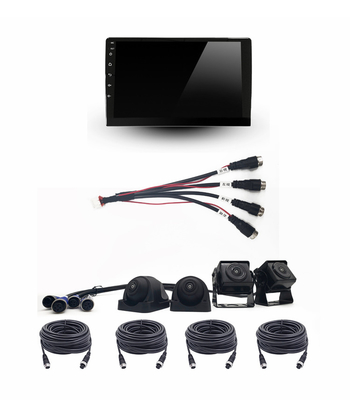
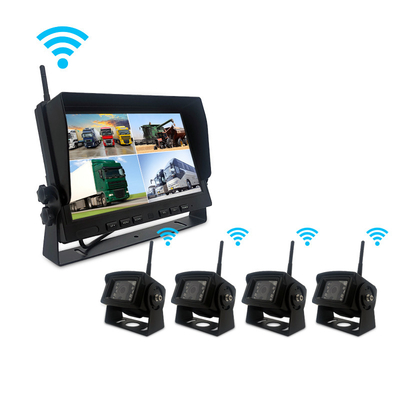
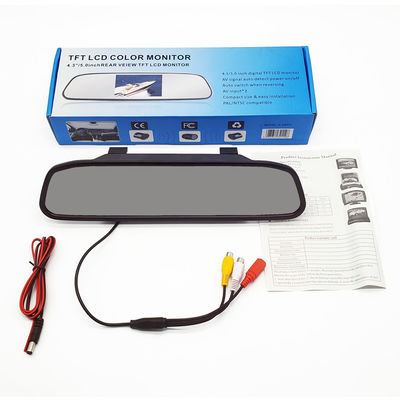
A vehicle camera system uses one or multiple cameras installed around a vehicle to capture real-time video footage and display it to the driver through monitors, infotainment screens, or mobile devices.
These systems can include:
- Rear view cameras
- Front view cameras
- Side view cameras
- Dash cameras
- 360° surround view systems
- AI-assisted smart vision systems
Each type of camera serves a unique purpose, but together they create a comprehensive visual safety network around the vehicle.
Key Types of Vehicle Cameras
1. Rear View Cameras
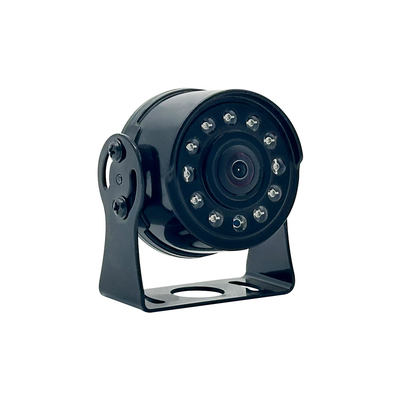
Rear view cameras are among the most widely used automotive safety technologies. Installed at the back of the vehicle, they help drivers reverse safely by displaying the area behind the vehicle in real time.
Main Benefits
- Reduces reversing accidents
- Improves parking precision
- Detects obstacles behind the vehicle
- Enhances visibility in tight spaces
Rear view cameras are especially valuable for SUVs, vans, and commercial trucks with large rear blind zones.
2. Front View Cameras
Front cameras assist drivers when visibility ahead is restricted. They are particularly useful in:
- Narrow streets
- Parking garages
- Off-road environments
- Steep inclines
These cameras allow drivers to see obstacles or approaching traffic before the front of the vehicle fully enters an intersection or confined area.
3. Side View Cameras
Side cameras help eliminate blind spots during:
- Lane changes
- Turning maneuvers
- Parking
- Overtaking
For commercial trucks and buses, side blind spots can be extremely dangerous. Side cameras provide drivers with real-time awareness of pedestrians, cyclists, and nearby vehicles that mirrors may fail to capture.
4. 360° Surround View Camera Systems
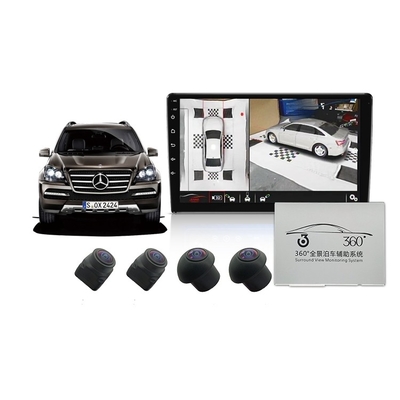
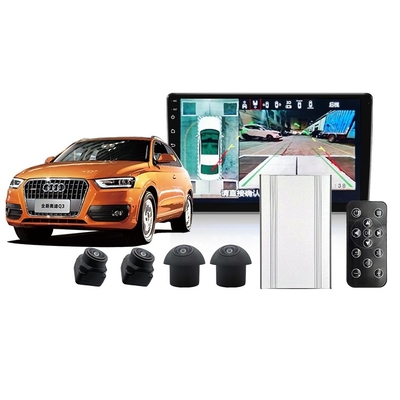
One of the most advanced vehicle safety technologies today is the 360° surround view system.
This system combines images from multiple cameras positioned around the vehicle to create a stitched bird’s-eye view displayed on the monitor.
Advantages of 360° Systems
- Full vehicle visibility
- Reduced blind spots
- Easier parking and maneuvering
- Improved low-speed safety
- Enhanced driver confidence
These systems are increasingly popular in passenger vehicles and essential for large commercial vehicles operating in complex urban or industrial environments.
Applications Across Different Vehicle Types
Passenger Vehicles
For daily drivers, camera systems improve:
- Parking safety
- Urban driving awareness
- Highway lane changes
- Night driving visibility
As cities become more crowded, compact parking and obstacle detection features are becoming increasingly important.
Commercial Fleets
Fleet operators use vehicle camera systems to improve:
- Driver safety
- Cargo protection
- Operational efficiency
- Insurance claim management
- Fleet monitoring
Multi-camera systems allow fleet managers to monitor vehicle surroundings remotely and reduce accident-related costs.
Commercial trucks especially benefit from 360° visibility because of their large blind spots and complex maneuvering requirements.
Industrial and Specialty Vehicles
Construction machinery, forklifts, agricultural equipment, and mining vehicles often operate in hazardous environments where visibility is limited.
Vehicle cameras help operators:
- Avoid collisions
- Improve operational precision
- Increase worksite safety
- Reduce equipment damage
In these industries, cameras are becoming essential operational tools rather than optional accessories.
Why Vehicle Cameras Matter More Than Ever
Vehicle camera systems are no longer optional technologies reserved for premium vehicles. They are rapidly becoming essential tools for improving road safety, operational efficiency, and driver awareness.
The benefits are clear:
- Fewer accidents
- Better visibility
- Reduced operational costs
- Improved driver confidence
- Enhanced fleet management
- Greater compliance with modern safety standards
As transportation systems continue moving toward automation and intelligent mobility, camera technology will remain one of the most important foundations of modern vehicle safety.
Conclusion
Vehicle camera systems are transforming the driving experience by helping drivers see more, react faster, and operate more safely. From simple rear view cameras to advanced AI-powered 360° systems, these technologies are redefining what modern transportation safety looks like.


 ¡Su mensaje debe tener entre 20 y 3.000 caracteres!